Proper roof ventilation is one of the most important aspects of maintaining a healthy, energy-efficient home. Without adequate ventilation, heat and moisture can build up in the roof space, leading to problems such as warped timbers, mould growth, reduced insulation efficiency, and even damage to roofing materials over time. So, what is the best roof vent to prevent these issues while keeping your home comfortable?
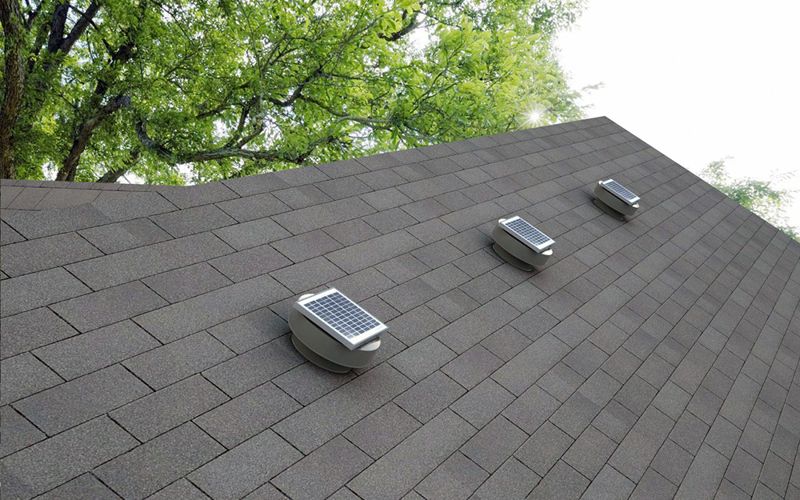
After extensive testing and professional recommendation s, the thermostatically controlled solar roof vent stands out as the top choice for modern homes. Unlike traditional passive vents, which rely solely on natural airflow, this type of roof vent actively monitors and regulates the temperature inside your roof cavity. The built-in thermostat automatically switches the fan on or off depending on the heat in the roof space. This ensures consistent airflow and prevents overheating during hot days while maintaining warmth in cooler weather.
One of the major advantages of solar-powered roof vents is their energy independence. They operate entirely on solar power, drawing energy from sunlight to run the ventilation fan. This makes them highly cost-effective because they do not rely on your household electricity. Over time, the energy savings can be significant, particularly during long, hot summers when roof temperatures can soar and air conditioning systems are used extensively.
Roof ventilation also has a direct impact on indoor comfort. By removing excess heat from the roof cavity, a solar roof vent can help reduce the temperature in your living areas, creating a more comfortable home environment. This means you don’t need to run your air conditioning as often, saving both energy and money. In addition, proper ventilation can extend the life of your roof materials. Excessive heat in the roof space can cause tiles to crack or roofing sheets to warp, leading to costly repairs. A solar vent mitigates this risk by ensuring consistent airflow.
Moisture management is another critical reason to invest in a high-quality roof vent. Condensation can form in unventilated roof spaces, especially in humid climates or during winter when warm air from the living areas meets the cold roof cavity. This trapped moisture can lead to mould growth, timber rot, and damage to insulation. A thermostatically controlled solar vent helps prevent these issues by promoting continuous airflow, removing excess moisture, and keeping the roof cavity dry and safe.
Choosing the right roof vent also means considering your home’s roof size and layout. A larger roof may require multiple vents to ensure even airflow across all areas, while smaller roofs might only need a single solar vent to achieve the same effect. Professional installation is recommended to ensure proper placement, correct sizing, and effective performance. A correctly installed vent will not only improve roof efficiency but also complement the aesthetics of your home.
Comparing solar roof vents to traditional options highlights their advantages. Passive vents, such as ridge vents or whirlybirds, rely on wind and temperature differences to move air. While they are inexpensive and simple, they may not provide sufficient ventilation on extremely hot days or in low-wind conditions. Thermostatically controlled solar vents, however, guarantee consistent performance regardless of weather conditions, ensuring your roof stays protected at all times.
Another benefit of these modern roof vents is their low maintenance requirements. Once installed, they operate automatically, and the solar-powered fan requires minimal attention. Occasional cleaning to remove debris is usually all that’s needed, making them a convenient solution for homeowners who want effective ventilation without the hassle of frequent maintenance.
For homeowners who are planning a new build or a roof replacement, installing a solar roof vent can add value to the property. Proper ventilation is a feature that appeals to buyers because it indicates a well-maintained home with reduced future repair needs. The combination of energy efficiency, protection from heat and moisture, and improved comfort makes a thermostatically controlled solar vent a smart investment for long-term benefits.
In addition to protecting the roof itself, these vents can improve indoor air quality. By reducing humidity and moisture build-up, they prevent mould and mildew from developing, which can be harmful to health. Families with children, elderly residents, or anyone prone to respiratory issues may find this especially beneficial. In essence, a high-quality roof vent supports not only the structural integrity of the home but also the health of its occupants.
To summarize, the thermostatically controlled solar roof vent is the best choice for homeowners seeking reliable, energy-efficient, and low-maintenance roof ventilation. It regulates temperature automatically, reduces heat and moisture accumulation, extends the life of roofing materials, improves indoor comfort, and even contributes to healthier living conditions. While passive vents may be suitable for some situations, the advantages of solar-powered vents make them a superior option for modern homes, particularly in regions with extreme weather conditions.
Investing in a professional installation ensures that the vent is properly sized and positioned to maximize airflow and performance. Homeowners can enjoy the peace of mind that comes with knowing their roof is protected and their energy bills are reduced. By choosing a thermostatically controlled solar roof vent, you are making a choice that safeguards your home, enhances comfort, and promotes long-term health benefits for everyone inside.
Improved Energy Efficiency
By automatically turning the fan on and off based on the temperature, a thermostatically controlled solar roof vent can help to reduce the amount of energy used to cool your roof space. This can help to lower your energy bills and improve the overall energy efficiency of your home and save you money.
Better Indoor Comfort
A thermostatically controlled solar roof vent helps to regulate the temperature in your roof space, which can in turn help to regulate the temperature in your living spaces. This can help to make your home more comfortable and reduce your reliance on air conditioning.
Longer Roof Lifespan
A thermostatically controlled solar roof vent can help to remove excess heat and moisture from your roof space, which can reduce the risk of damage to your roof and extend its lifespan. This can save you money on repairs and replacement costs in the long run.
Environmentally Friendly
Like other solar roof vents, a thermostatically controlled solar roof vent is powered by renewable energy, which means it has a much lower carbon footprint than traditional ventilation systems. By using renewable energy, you can reduce your impact on the environment and help to combat climate change.
Overall, a thermostatically controlled solar roof vent can be a great investment for homeowners looking to improve the energy efficiency, indoor comfort, and durability of their roof.
It’s always a smart move to speak with a roofing contractor who understands local conditions before installing any ventilation system. At Roof & Render SA, we offer expert advice and quality installation to make sure your roof vent performs as it should—efficiently and safely.